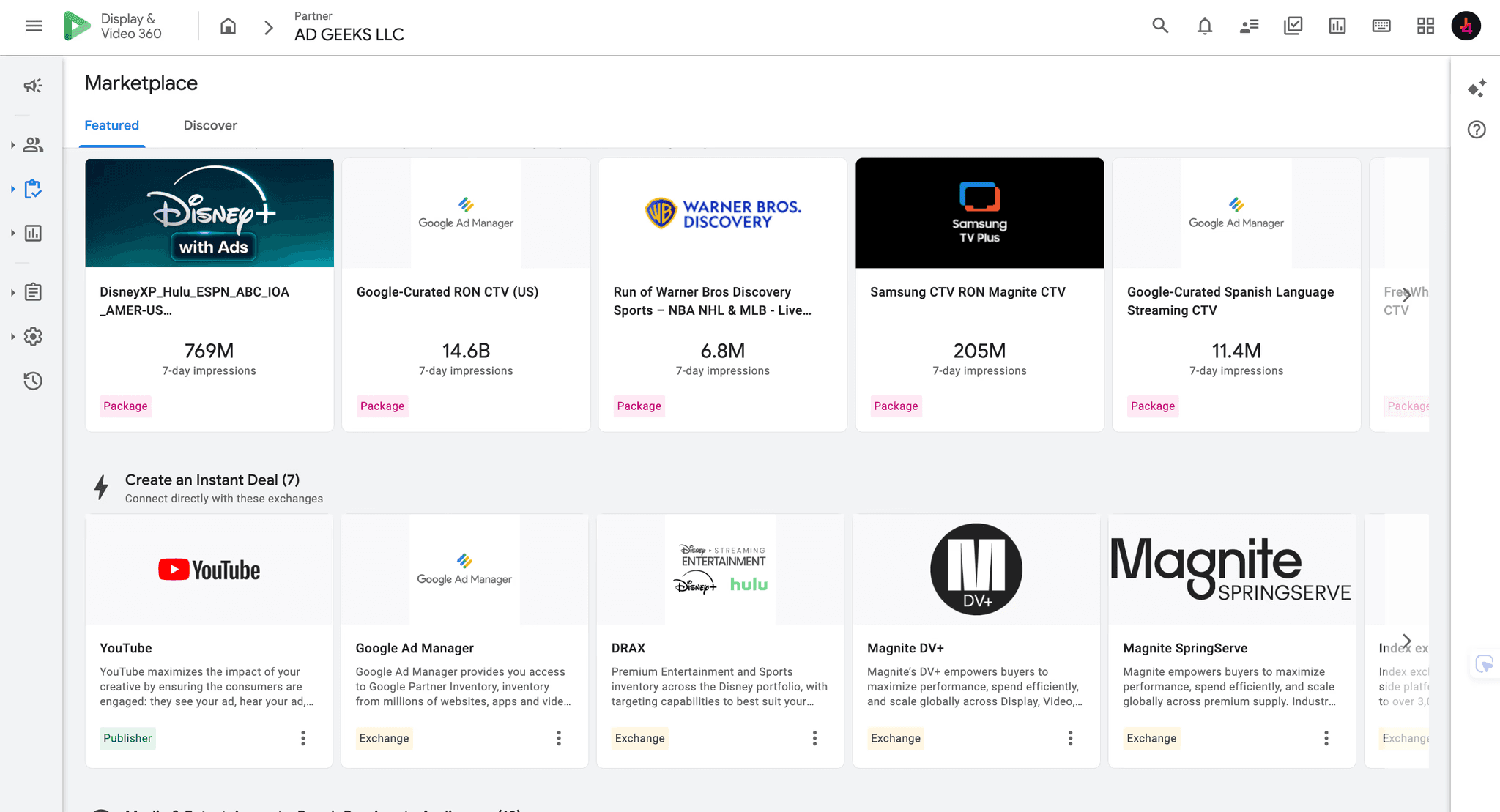
Quick answer: You can buy Tubi advertising directly through FOX Advertising or through a managed programmatic deal when the required inventory is available to your DSP seat. Tubi does not publish one universal minimum budget or public trafficking sheet. Plan budget around reach, frequency and testing, then confirm deal terms, targeting, measurement and final creative specifications before launch.
Tubi advertising gives brands access to an ad-supported streaming environment across connected TV, mobile and other supported devices. The opportunity is broader than a standard 15- or 30-second streaming spot. FOX Advertising currently presents Tubi inventory across in-stream video, in-stream display, homepage placements, premium sponsorships and add-ons such as Connected Conversions.
The harder part is not deciding whether Tubi belongs on a streaming shortlist. It is deciding how to access the right inventory, what the buy actually includes and how much budget is enough to produce a useful result. A Tubi logo in a marketplace or planning interface does not guarantee every market, device, title, audience, format or measurement option.
This guide explains the practical route: compare direct and programmatic buying, build a defensible budget, confirm targeting and measurement, prepare a safe creative master and lock the final requirements in writing before trafficking.
What can advertisers buy on Tubi?
FOX Advertising groups the current Tubi advertising suite into several product families. Availability, pricing and execution requirements can vary by market, objective and contract.
Inventory family | What the viewer sees | Best planning use | What to confirm |
|---|---|---|---|
In-stream video | Full-screen ads before or during a show or movie. FOX says the experience is generally non-skippable, while mobile video may sometimes be skippable. | Broad reach, awareness, incremental video reach and outcome testing. | Device mix, ad length, position, completion reporting, frequency rules and mobile behavior. |
Tubi Prime | Ads within popular content of the day. | Scaled reach around high-demand viewing. | Content definition, forecast, premium, exclusions and reporting granularity. |
Tubi Moments | Ads placed in contextually relevant viewing moments. | Message-to-content alignment and contextual planning. | Context taxonomy, adjacency controls, category restrictions and how the match is reported. |
Tubi Lite | Ads in last-call and FAST inventory. | Efficient reach when the inventory mix fits the campaign. | FAST share, device split, content mix, floor price and delivery expectations. |
Tubi Mobile | Ads in mobile-only inventory. | Mobile video reach or a separate mobile test. | Skippability, orientation, click behavior, landing page and reporting by device. |
In-stream display | Non-interruptive display units during pause or within the player, sometimes with a QR code or offer. | Attention, response and extensions to a video plan. | Dimensions, safe zones, QR behavior, click or scan reporting and approved templates. |
Homepage display | Homepage experiences such as Carousel and Spotlight. | High-impact launches and discovery. | Asset set, device coverage, share of voice, click destination and production lead time. |
Premium sponsorships | Products such as 2A Takeover, Thematic Takeover and Title Takeover. | Events, releases, seasonal campaigns and content alignment. | Exclusivity, dates, content scope, impression guarantee and makegood terms. |
Add-ons | Branded Scrubber and Connected Conversions. | Interactive extensions and TV-to-phone response. | Production requirements, supported devices, measurement and privacy-approved user flow. |
Do not treat this list as one undifferentiated pool. In-stream video may be available through a managed programmatic deal while a homepage placement or title sponsorship requires direct coordination. Ask for a line-by-line inventory map before building the media plan.
Tubi advertising buying options
1. Direct through FOX Advertising
Direct buying is the clearest route when the campaign needs premium placements, sponsorships, contextual packages or custom integrations. The current FOX Advertising Tubi page routes advertisers to a dedicated contact form and asks about the advertising market and total annual ad spend.
A direct proposal should define the exact property, product, market, devices, dates, pricing model, targeting, forecast, creative obligations and measurement package. It should also distinguish guaranteed delivery from estimated availability.
2. Programmatic guaranteed or private marketplace deal
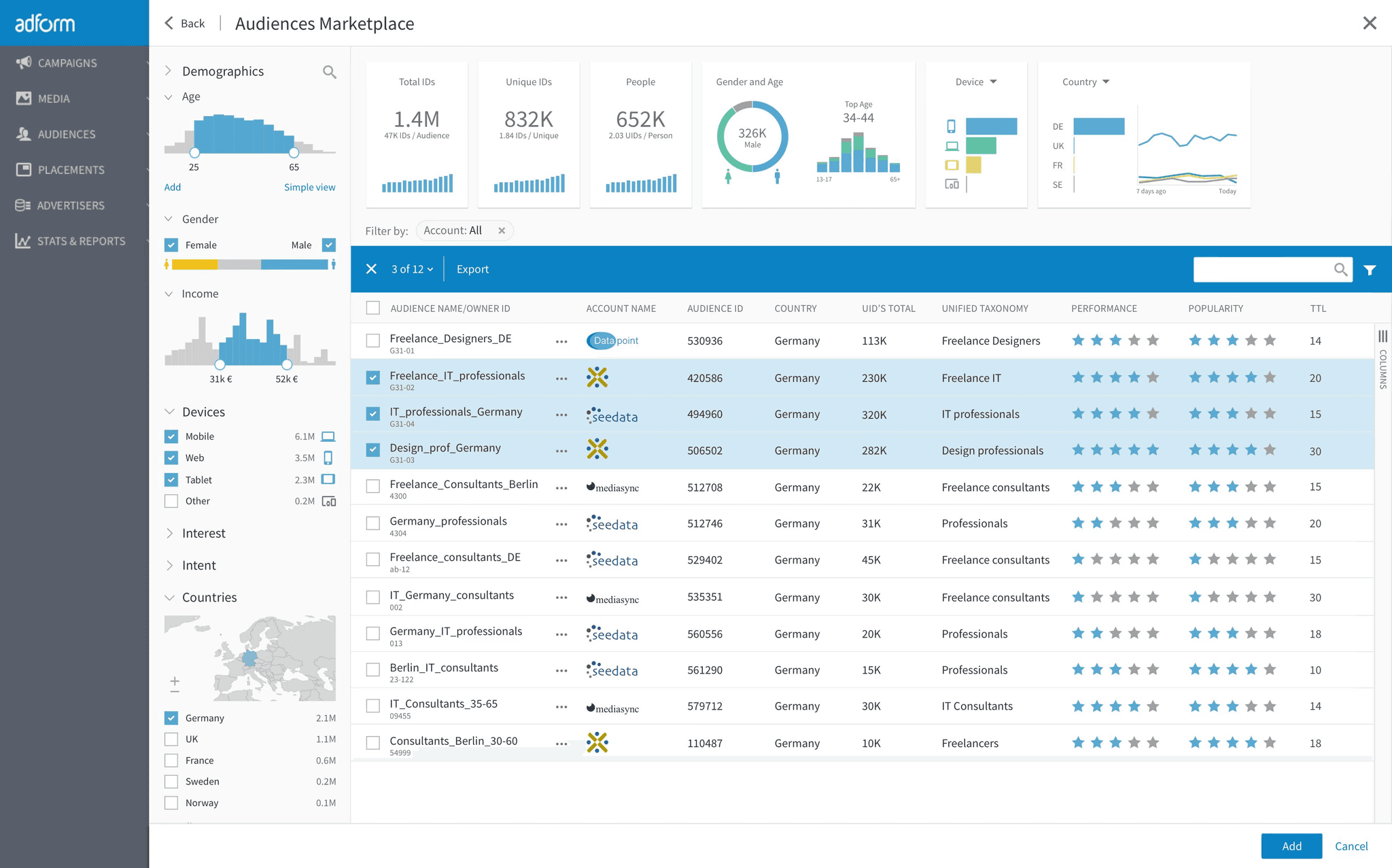
Programmatic access can simplify execution when the buyer wants Tubi inside an existing DSP workflow. The practical setup is usually a publisher-provisioned deal rather than an assumption of unrestricted open-auction access. The publisher or authorized seller creates the deal, the buyer accepts it in the intended DSP seat and the team validates that bid requests match the negotiated terms.
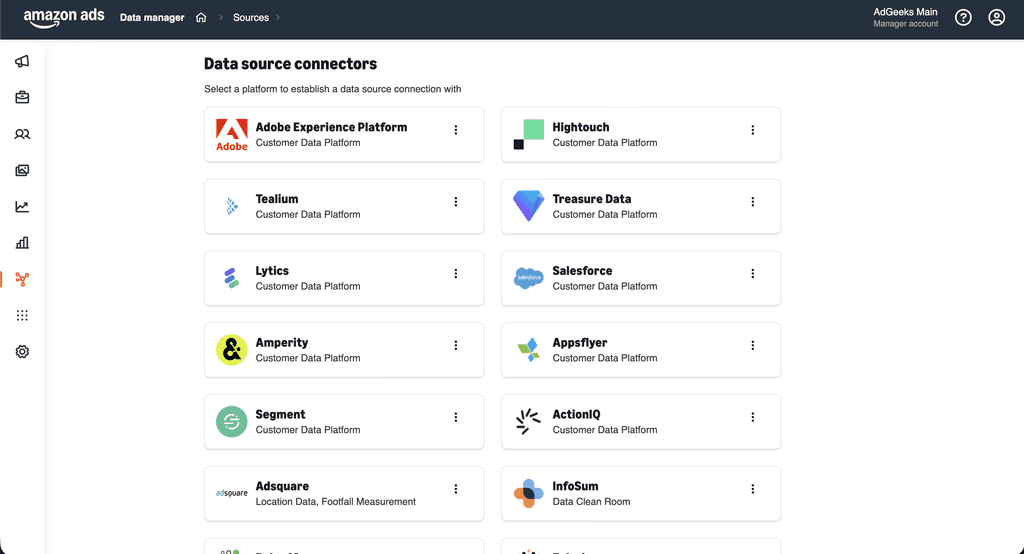
Before calling a route confirmed, collect the deal ID and test it in the exact advertiser, partner, seat, market and currency that will run the campaign. A general integration between a DSP and a supply source is not proof that the required Tubi inventory is available to every buyer.
3. Managed buying through an agency or platform partner
A managed partner can combine inventory discovery, deal negotiation, DSP setup, creative QA, pacing and reporting. This route fits teams that need Tubi as one part of a broader streaming plan or do not maintain every required platform relationship.
The agency should disclose the execution platform, inventory source, deal type, media and technology fees, data costs, measurement costs, reporting cadence and data ownership. It should also explain whether the buy is Tubi-only or part of a broader CTV package.
4. Open auction
Do not make open auction the default assumption. Public FOX materials do not publish a universal list of DSPs, seats, markets and Tubi products available through unrestricted auction access. If a reseller or platform claims open-auction availability, require seller, app or channel, supply-chain and content-level evidence before treating the inventory as equivalent to a direct Tubi deal.
Route | Best for | Primary advantage | Main trade-off |
|---|---|---|---|
Direct FOX Advertising | Premium packages, sponsorships and custom executions | Clear publisher relationship and access to differentiated formats | May require more lead time and a larger commercial commitment |
Programmatic guaranteed | Reserved delivery with DSP workflow | Delivery terms plus centralized buying and reporting | Requires deal provisioning, acceptance and technical QA |
PMP deal | Flexible in-stream video buying | Buyer controls bids, audiences and pacing within deal rules | Delivery is not guaranteed and scale depends on price and eligibility |
Managed agency buy | Teams that need access, planning and execution support | One workflow for route selection, QA and reporting | Requires transparent fees and clear account governance |
Open auction claim | Only after supply and entitlement are verified | Potential flexibility | Higher risk of unclear inventory, packaging or misrepresentation |
For a wider view of where premium streaming inventory may appear, use the AdGeeks Premium CTV inventory map. Recheck the actual route on publication and launch day.
What is the minimum budget for Tubi advertising?
Tubi and FOX Advertising do not publish one universal public minimum that applies to every buying route and format. That is the honest answer. Direct sponsorships, guaranteed buys and PMP tests solve different planning problems, so a single number would be misleading.
Budget should be built from the delivery needed to answer a business question:
Define the audience and market. National reach, a local DMA plan and a narrow first-party segment produce very different forecasts.
Set a frequency range. Decide how many average exposures the campaign needs without over-serving the same households.
Estimate required impressions. Use target reach multiplied by target frequency, then adjust for overlap and eligible inventory.
Apply the negotiated CPM. Separate media CPM from DSP, data, verification, creative and management fees.
Fund learning. A test needs enough impressions across each audience, creative or market cell to make comparisons useful.
Reserve measurement cost. Brand lift, sales lift or third-party outcome studies may have their own eligibility and cost requirements.
Simple planning formula: media budget = planned impressions / 1,000 x negotiated CPM.
Illustration, not a Tubi rate card: 2,000,000 impressions at a $25 CPM equals $50,000 in media before data, technology, creative, verification, study and management costs. Replace both inputs with the live forecast and commercial terms.
Use the AdGeeks Reach and Frequency Planner and Media Budget Planner to turn the brief into a testable delivery plan.
Tubi targeting options to discuss
FOX describes Tubi as supporting advanced targeting and highlights contextual products such as Tubi Moments. The exact menu depends on the commercial package, market, platform and data permissions. Build the audience plan in layers and ask which layer is available for the chosen route.
Geography
Confirm country, region, state, DMA, city or postal-level eligibility. Ask how location is determined, how much scale remains after filtering and whether reporting uses the same geographic level.
Demographic and household attributes
Age, gender, household composition and other modeled attributes may be available depending on the package and partner. Record the data source, lookback, modeled status and estimated audience size.
Interest, behavior and purchase signals
In-market, lifestyle and purchase-based segments can support auto, retail, CPG and other categories. Confirm whether the segment is first-party, licensed or modeled, and whether measurement uses the same provider.
Contextual and content signals
Context can include genre, theme, title groups, popularity or specific viewing moments. Tubi Moments makes contextual relevance a product-level proposition, but the buyer should still document the taxonomy, eligible content, adjacency rules and reporting fields.
First-party audiences
CRM or site audiences may be possible through the execution platform or approved matching partner. Confirm consent, onboarding method, match-rate expectations, minimum size, suppression logic, retention and whether the audience can be used for targeting, exclusion, measurement or all three.
Retargeting and sequential messaging
Do not assume that every Tubi exposure can be retargeted across the open web or another device. Ask which event is captured, which identity method connects devices and where the follow-up message can run.
A practical plan usually starts with one broad reach cell and one or two audience tests. Excessive segmentation can make a premium streaming buy under-deliver before it generates a useful read.
Tubi creative specs and approval requirements
FOX publishes commercial-clearance rules, but the public pages reviewed for this guide do not provide one complete, current Tubi trafficking sheet covering every video, display, homepage, sponsorship and add-on format. Do not treat a generic CTV spec as a binding Tubi requirement. Request the current asset sheet for the specific product and keep it with the signed deal brief.
Safe planning master for standard in-stream video
The following is an AdGeeks production recommendation designed to create a high-quality source that can be adapted after the final Tubi or DSP sheet arrives. It is not a published Tubi rule.
Field | Planning master | Why |
|---|---|---|
Canvas | 1920 x 1080, 16:9 | Creates a full-HD source suitable for large-screen derivatives. |
Scan | Progressive | Avoids interlacing artifacts in digital streaming workflows. |
Frame rate | Match the approved source, commonly 23.976, 24, 25, 29.97 or 30 fps | Reduces frame duplication and motion problems. Confirm the accepted list. |
Codec | High-quality mezzanine archive plus H.264 delivery derivative | Preserves an editable master while supporting common trafficking workflows. |
Audio | Stereo mix with dialogue clear on TV speakers | Supports understandable playback across devices. Confirm loudness and codec limits. |
Durations | Prepare exact-cut 15- and 30-second versions when the plan may use both | Prevents last-minute trims. Confirm which lengths the package accepts. |
Captions | Burned-in only if required; otherwise provide approved caption files or metadata | Caption handling varies by workflow. |
File naming | Brand_Campaign_Length_Language_Version_Date | Makes review and replacement traceable. |
The IAB Tech Lab's VAST guidance is useful for understanding digital video delivery and CTV-specific metadata, but publisher and DSP rules still control the actual file or tag accepted for a campaign. The AdGeeks CTV ad specs guide can help production teams prepare cross-platform derivatives.
Creative QA checklist
Export the exact approved duration. Do not rely on the player to trim a longer file.
Keep important copy, logos, QR codes and legal text inside a conservative TV-safe area.
Make the brand clear early, especially in 15-second creative.
Check dialogue on laptop, phone and television speakers.
Use legible disclosures with adequate contrast and screen time.
Avoid bars, tones, simulated alerts and editing effects restricted by FOX guidelines.
Confirm category rules for alcohol, gambling, financial products, health claims and other regulated sectors.
Test VAST tags, click or QR behavior, tracking and creative duration in the actual buying seat.
Submit early enough for commercial clearance and revision.
Keep the approved asset, trafficking sheet and approval confirmation together.
Measurement and reporting
FOX positions Tubi around advanced measurement and publishes outcome examples for retail, auto, CPG and studios. Its sourcing page identifies the providers and periods behind those claims. A campaign should not copy a sitewide case-study metric into its forecast. It should choose measurement based on the decision the campaign needs to support.
Question | Useful metrics | Planning note |
|---|---|---|
Did the campaign deliver as contracted? | Impressions, spend, CPM, pacing, completion rate and invalid traffic | Reconcile publisher, DSP and verification numbers. |
Did we reach new viewers? | Unique reach, incremental reach, household reach and overlap | Document identity method and reporting universe. |
Did frequency stay controlled? | Average frequency and distribution by exposure bucket | An average alone can hide over-frequency. |
Did people notice or remember the brand? | Attention, ad recall, awareness, consideration and brand lift | Confirm study eligibility and sample requirements before launch. |
Did exposure change behavior? | Site visits, store visits, purchases, app actions, sales lift and incremental ROAS | Define attribution, confidence and incrementality method in advance. |
If Tubi runs beside other streaming platforms, decide where cross-platform reach and frequency will be measured. A publisher report may be accurate inside its own environment while still leaving overlap across platforms unresolved.
A 10-step Tubi campaign launch workflow
Write the job to be done. State the audience, market, business objective and decision the campaign must inform.
Choose the inventory family. Separate standard in-stream video from homepage, sponsorship and add-on products.
Compare routes. Ask for direct, programmatic guaranteed, PMP or managed options where relevant.
Request a forecast. Review eligible reach, impressions, CPM, frequency, devices and delivery risk.
Lock the deal brief. Record property, seller, deal ID, market, currency, dates, price, format, targeting and reporting.
Build the measurement plan. Define reporting sources, attribution windows, study eligibility and success criteria.
Obtain current creative specs. Use the exact Tubi product and DSP workflow, not a generic platform list.
Complete creative and policy review. Clear claims, disclosures, regulated-category rules and technical QA.
Run a controlled preflight. Confirm the deal is active, the creative is approved, tracking fires and the forecast is still valid.
Monitor and reconcile. Check delivery, frequency, completion, supply path and measurement while there is time to act.
Deal brief checklist
Publisher and authorized seller
Direct order, programmatic guaranteed, PMP or other route
DSP, partner, seat and advertiser IDs
Deal ID and acceptance status
Country, region and currency
Tubi inventory family and included formats
Content, device and app scope
Dates, impression goal, CPM or price and budget
Audience and contextual rules
Frequency cap and where it is enforced
Brand safety, category and adjacency restrictions
Creative specs, lead time and approval owner
Measurement vendors, fees and eligibility
Reporting dimensions, cadence and log-level availability
Cancellation, under-delivery and makegood terms
How AdGeeks supports Tubi advertising
AdGeeks helps brands and agencies verify the route before money moves. We can compare direct and programmatic options, request or validate deals, forecast reach and frequency, prepare creative for the confirmed workflow, manage activation and consolidate reporting across a wider streaming plan.
The outcome is a clear inventory map, a budget tied to delivery and a launch checklist that separates confirmed access from assumptions.
Frequently asked questions
Can small businesses advertise on Tubi?
Potentially, yes. Eligibility and practical budget depend on the market, format, buying route and seller. Tubi does not publish one universal public minimum. A managed PMP test may fit a different budget than a direct sponsorship, so ask for route-specific forecasts and commercial terms.
Does Tubi have a self-service ad platform?
Public FOX Advertising pages route prospective Tubi advertisers to a sales contact form and do not document a universal self-service buying portal for every advertiser. Buyers can also use a publisher-provisioned programmatic deal or a managed partner when access is available to the intended DSP seat.
Can you buy Tubi ads programmatically?
Programmatic buying may be available through a guaranteed or private marketplace deal. Confirm the publisher or authorized seller, DSP, seat, market, format, deal ID and reporting before launch. Do not assume that general DSP access guarantees every Tubi product.
What is the minimum budget for Tubi advertising?
There is no single public Tubi minimum covering every route. Build the budget from forecasted reach, frequency, impressions and CPM, then add data, technology, creative, verification, measurement and management costs. Direct premium packages may require a different commitment from a PMP test.
What targeting is available on Tubi?
FOX describes advanced targeting and contextual products such as Tubi Moments. Depending on the route, buyers may discuss geography, demographics, interests, purchase signals, context and approved first-party audiences. Availability, scale, data source and reporting should be confirmed in the proposal or deal brief.
What creative specs does Tubi require?
Requirements vary by in-stream video, display, homepage, sponsorship, add-on and DSP workflow. FOX publishes commercial-clearance guidance, but the public materials reviewed for this guide do not provide one complete Tubi trafficking sheet for every product. Request the current format-specific asset sheet before final export.
Sources
FOX Advertising - Tubi Advertising, accessed October 28, 2026.
FOX Advertising - Sourcing, accessed October 28, 2026.
FOX Advertising - Tubi contact form, accessed October 28, 2026.
FOX Advertising Guidelines, accessed October 28, 2026.
FOX Advertising - Ad Guidelines and Creative Resources, accessed October 28, 2026.
FOX Advertising - Converting Cravings into Commerce case study, accessed October 28, 2026.
IAB Tech Lab - Digital Video Ad Serving Template, accessed October 28, 2026.
Federal Trade Commission - Advertising and Marketing, accessed October 28, 2026.